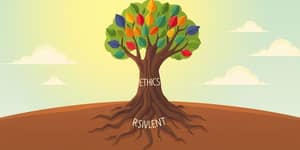
In a world where financial markets pivot on confidence and credibility, the essence of leadership has never been more crucial. Ethical leadership, defined by unwavering integrity, accountability, fairness, and transparency, forms the bedrock of sustainable success. As markets enter 2026 with both opportunities and uncertainties, organizations must anchor decisions in principled behavior rather than solely chasing short-term gains. This article explores how ethical leadership not only shapes reputations and risk frameworks, but also fortifies the trust that underpins every transaction and relationship in global finance.
At its heart, ethical leadership demands more than rhetoric. It requires leaders to model conduct that syncs with organizational values even when commercial pressures loom large. These principles serve as a compass, guiding decisions and behaviors across the enterprise.
Financial management is built on trust: trust in data integrity, in risk assessments, and in leadership. When those at the helm prioritize ethical standards, they foster an environment where compliance and performance reinforce each other. In contrast, a culture that overlooks ethical lapses can quickly unravel, leading to regulatory penalties, reputational harm, and diminished stakeholder confidence.
By embedding ethical practices into planning, controlling, credit analysis, and performance evaluation, organizations uphold integrity and credibility essential for market reputation. Regulators such as the FCA enforce strict conduct rules precisely because misaligned incentives and opaque risk frameworks can precipitate system-wide shocks. A strong ethical framework reduces the likelihood of misconduct, empowers teams to speak up, and attracts long-term investors who value consistent governance.
According to the 2026 Edelman Trust Barometer, business remains the most trusted institution globally at 65%, marking an all-time high in many markets. However, this trust is fragile. Nearly 20 of 28 surveyed countries saw declines in trust year-over-year, with some experiencing double-digit drops. Governments and media trail with much lower confidence levels, creating a vacuum that businesses must fill by demonstrating ethical leadership.
In this context, 48% of investment trust managers anticipate further stock market gains in 2026, yet 33% highlight a potential bubble as the top risk. Elevated valuations, concentrated exposures, sticky inflation, and fiscal uncertainties amplify the stakes. Without a steadfast ethical compass, a sudden loss of trust could magnify losses and trigger cascading market reactions.
Ethical leadership provides a framework to address systemic risks. By aligning decisions with core values, leaders can mitigate the temptations of short-term profit chasing and safeguard against concentration risks. In practice, this means integrating ethics into risk appetite statements, embedding ESG priorities into capital allocation, and ensuring that AI and quantitative models are subjected to rigorous governance checks.
Moreover, ethical leadership underpins crisis resilience. When stakeholders believe that management will prioritize fairness and accountability, they remain more patient during market downturns. Employees are more likely to report anomalies, clients maintain long-term relationships, and investors appreciate transparent disclosures.
Transforming ethical principles into daily practice requires deliberate actions across governance, incentives, and culture. The following strategies can help organizations embed ethical leadership at scale:
As financial markets evolve, the importance of ethical leadership will only grow. In an environment where technological innovation, demographic shifts, and geopolitical tensions intersect, organizations that maintain prioritizing long-term stakeholder value will outperform peers. Building resilient organizational cultures, where every decision is viewed through an ethical lens, is not just aspirational—it is imperative.
By committing to these principles and practices, leaders can ensure that their firms are not only profitable, but also pillars of trust and stability in the global economy. Ethical leadership transforms markets by fostering transparency, reducing systemic risks, and creating durable relationships with all stakeholders.
Your organization’s journey toward ethical excellence begins today. Embed these strategies, champion integrity at every level, and watch as trust becomes your most valuable asset.
References