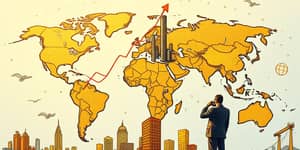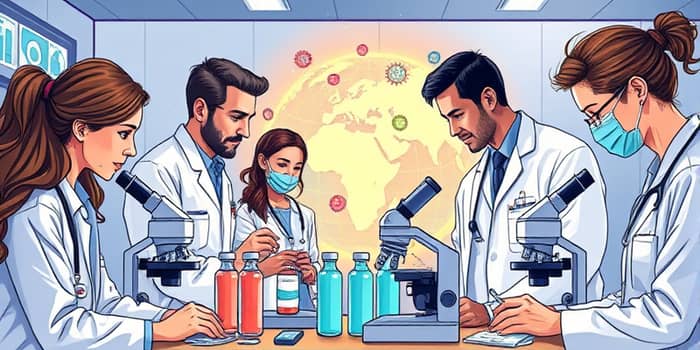
In the wake of the COVID-19 pandemic, the world has witnessed both remarkable scientific strides and stark funding gaps. While global financing surged to unprecedented levels during the crisis, the post-pandemic landscape now risks slipping back into a panic and neglect cycle. As new variants emerge and future threats loom, a clear vision is required to sustain progress in Global Health Security (GHS). This article explores the current funding environment, highlights critical investment gaps, and offers practical strategies for governments, philanthropists, and the private sector to work in concert.
The United States has long been a cornerstone of global health financing, guided by historical bipartisan U.S. commitments across disease-specific programs and preparedness initiatives. For Fiscal Year 2026, Congress approved $9.4 billion through the Global Health Programs (GHP) account, a 6% reduction from the previous year. Within this total, HIV programming remains paramount, receiving nearly $5.9 billion—over 60% of the GHP budget. Malaria prevention is allocated $795 million, while funding for global health security efforts faces notable cuts.
These appropriations are mandated by explanatory statements that guarantee disbursement for prevention, treatment, and transitions to country-led financing. The America First Global Health Strategy fully covers commodity costs in FY 2026 before tapering contributions as partners assume average co-investment of 36% across 15 Memoranda of Understanding (MOUs).
Despite the surge in post-COVID investments, a persistent shortfall threatens to undermine resilience. Low- and middle-income countries face an annual financing gap of $10.5 billion for GHS, while only 12.2% of High-Level Independent Panel (HLIP) targets for pandemic preparedness have been met. Without sustained funding, the world remains vulnerable to future outbreaks.
Global health advocates and the OECD urge smarter spending through multilateral banks and private partnerships to bolster supply chains and surveillance. The World Health Organization (WHO) calls for an additional $10 billion in preparedness funding, complementing $15 billion per year in development assistance for health (DAH) outlined by the HLIP.
The private sector, especially biotech and pharmaceutical companies, holds the keys to rapid countermeasure development. R&D for vaccines, therapeutics, and diagnostics demands innovative financing needed to de-risk early-stage research and accelerate scale-up. The post-pandemic era reveals both the potential and the challenge: although COVID-19 spurred $37.8 billion for response activities, longer-term investments remain insufficient.
Philanthropic organizations and impact investors can catalyze breakthroughs by supporting platform technologies—such as mRNA—and forging advanced market commitments that guarantee demand for successful products. Strengthening local manufacturing capacity in regions with high disease burdens can also reduce reliance on global supply chains and improve access.
As donors seek to optimize resources, many countries are transitioning to self-sustaining health systems. Fifteen nations have signed MOUs covering HIV, malaria, tuberculosis, maternal and child health, and security measures, totaling $17.7 billion in commitments. These agreements envision an average co-investment of 36%, fostering ownership and accountability.
The GHS Index, which evaluates 195 countries on surveillance, response capacity, and other metrics, highlights significant disparities. To address these gaps, governments must:
Today, stakeholders across sectors face a choice: allow momentum to wane, or seize the opportunity to build robust health systems amid geopolitical shifts. Through concerted action and innovative private sector involvement, we can translate scientific promise into lasting protection for vulnerable populations.
Every investment—whether from governments, multilateral organizations, or private entities—serves as a bulwark against the next threat. By aligning incentives, sharing data openly, and maintaining transparent accountability, the global community can prevent future pandemics and address endemic diseases.
As we look toward 2026 and beyond, our collective ambition must extend beyond crisis response to a vision of health security that is inclusive, sustainable, and driven by collaboration. The time is now to invest wisely, act boldly, and ensure that no nation is left defenseless against future health emergencies.
References