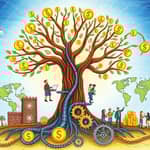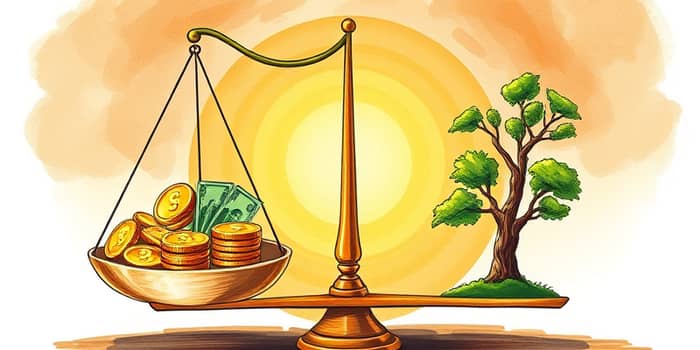
The financial journey often feels like walking a tightrope between immediate needs and distant dreams. On one side lies the allure of instant rewards, on the other, the promise of lasting prosperity. Finding equilibrium between these forces can transform uncertainty into purpose.
The temptation to chase quick victories can overshadow a disciplined approach to future growth. Yet neglecting your horizon may leave you unprepared for life’s twists. The challenge is not choosing one path over the other, but weaving them into a cohesive strategy that honors both today and tomorrow.
By recognizing the unique strengths and pitfalls of each timeframe, you can craft a roadmap that secures liquidity now while cultivating wealth for decades to come.
Short-term and long-term goals serve distinct roles in a healthy financial ecosystem. Below is a concise comparison that illuminates the core distinctions:
This table underscores how short-term goals prioritize emergency funds and cash flow while long-term investments lean into compounding and exponential growth.
Short-term advantages include unmatched agility: you can seize unexpected opportunities, cover unforeseen costs, and stay nimble when markets shift. Parking money in liquid accounts or short-duration bonds preserves capital and maintains accessibility.
However, this strategy carries downsides. Higher taxes on ordinary income, minimal compounding, and potential losses if decisions are mistimed can erode returns. Stashing cash at rock-bottom rates may also struggle to outpace inflation.
Conversely, long-term wealth accumulation strategies thrive on time. By reinvesting dividends and allowing gains to compound, your portfolio can grow exponentially. Favorable tax treatment for long-term gains and retirement accounts adds another layer of efficiency.
On the financing side, long-term debt often offers lower interest rates and predictable payments, aligning with asset lifespans. Companies forging deep lender relationships can secure patient capital that powers major expansions.
Bridging the gap between immediacy and foresight requires structure. One proven method is the bucket approach: segregate funds by horizon so each pool addresses a specific purpose.
Automating your plan reduces emotional decision-making. Set monthly transfers, define target balances, and schedule periodic reviews. This practice helps you automate contributions and reviews without succumbing to market noise.
Adapting to economic shifts—rising rates, inflationary pressure, or recessions—underscores the importance of flexibility. Keep your short-term bucket agile and your long-term bucket steadfast.
In personal finance, an emergency fund equivalent to 3–6 months of expenses acts as your safety net. Once secured, channel extra resources toward retirement accounts, where decades of compounding await. Balancing these objectives ensures you never sacrifice peace of mind for speculative returns.
Businesses follow a similar blueprint. Working capital lines address day-to-day cash needs, while fixed-rate loans and equity investments underwrite strategic growth. For example, an SBA loan may finance equipment over a 10-year horizon, aligning debt service with asset productivity.
Investors, too, divide their portfolios. A conservative core mitigates volatility, while a growth sleeve captures market upside. This split keeps you invested through storms without jeopardizing essential cash flows.
No one formula fits every journey. Your ideal balance depends on income stability, liability structure, and personal aspirations. The guiding principle remains constant: let align with risk tolerance inform your allocations, and cultivate a patience and disciplined approach that honors both short-term resilience and long-term vision.
By weaving together liquidity, growth, and automated oversight, you transform financial planning from a reactive scramble into a purposeful expedition. Embrace the paradox: leverage present opportunities without sacrificing your future. The equilibrium you build today will anchor the prosperity you enjoy tomorrow.
References