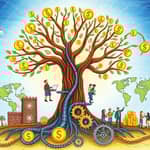
As the world faces unprecedented environmental and social challenges, the financial sector holds a pivotal role in shaping a resilient future. Sustainable finance transcends traditional investing by weaving in ethical principles that foster both profit and purpose. In this roadmap, we explore how to channel capital for greater good and empower stakeholders to build lasting value.
By integrating insights from market data, regulatory frameworks, and real-world instruments, readers will gain a clear roadmap for actionable change. Whether you are an investor, policymaker, or an engaged citizen, this guide offers practical steps to embed sustainability into every financial decision.
At its heart, sustainable finance integrates environmental, social, and governance (ESG) considerations into investment choices. This approach not only seeks to avoid harm but proactively funds projects that deliver positive outcomes for people and planet.
Key pillars of the ESG framework include:
By measuring performance through precise indicators—such as greenhouse gas emissions, resource efficiency metrics, or social impact assessments—investors can ensure measurable benefits that outpace peers.
The sustainable finance market has seen explosive growth, driven by a global push toward responsible investing. Recent estimates project a compound annual growth rate (CAGR) of up to 23% in certain segments over the coming decade.
A snapshot of market expansion:
In 2025 alone, sustainable debt issuance is expected to surpass USD 1 trillion, underscoring unprecedented momentum in green capital.
Growth trajectories vary by region, reflecting policy environments and investor priorities. North America holds nearly 40% of global assets under stewardship, propelled by strong demand for clean energy incentives and robust stewardship policies.
Europe remains a powerhouse, with regulatory milestones like the Sustainable Finance Disclosure Regulation (SFDR) and the EU Green Deal shaping market integrity. Meanwhile, the Asia-Pacific region, led by China, is poised for rapid acceleration as renewable infrastructure projects multiply. In emerging markets across Africa and the Middle East, disaster resilience and green strategies are unlocking new investment frontiers.
A diverse toolkit of financial instruments enables targeted impact and risk management. Key products include:
Beyond these, specialized equity investments, impact funds aligned with the UN Sustainable Development Goals, and socioenvironmental financing options are gaining traction as investors seek both financial returns and positive change.
Several forces are converging to accelerate sustainable finance:
Consumer demand for eco-friendly products and risk mitigation and long-term value creation are reshaping corporate strategies and driving capital flows into renewable energy, electric vehicles, and sustainable infrastructure.
Robust governance and standardization are essential to prevent greenwashing and maintain investor confidence. Key frameworks include:
On the horizon, the 2025 SNA/BPM7 revisions will integrate ESG categories into national accounts, further embedding sustainability into global financial reporting.
Despite rapid growth, the sector faces hurdles such as inconsistent definitions, greenwashing risks, and regional disparities in market maturity. Addressing these demands coordinated efforts among regulators, industry bodies, and investors.
Yet opportunities abound: early adopters benefit from enhanced brand reputation, access to favorable financing, and alignment with stakeholder expectations. Innovation in green finance products and digital platforms promises to unlock new capital pools and democratize impact investing. By embracing substantial market with trillions-scale potential, institutions can drive transformational change while safeguarding returns.
Sustainable finance is more than a trend—it is a fundamental shift toward a future where capital fuels both prosperity and planetary health. By understanding core concepts, leveraging innovative instruments, and aligning with evolving regulations, stakeholders can chart a course for responsible growth. The time to act is now, and every investment holds the power to shape a resilient, equitable world.
References