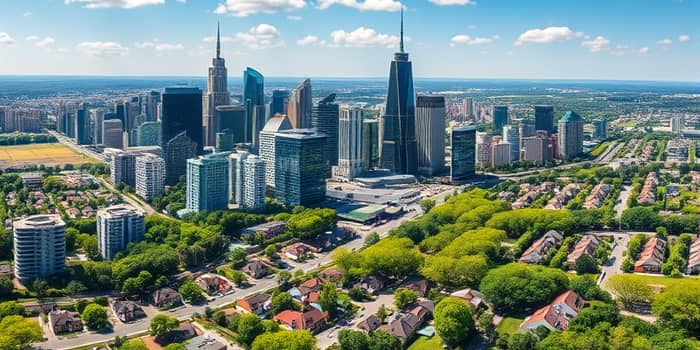
As the world undergoes a profound shift, urban centers swell with new residents seeking opportunity. In this era of transformation, understanding global urbanization and harnessing its potential through property investment can guide individuals and communities toward sustainable prosperity.
By 2024, over 57.7% of the global population resided in urban areas, marking the highest urban rate in history. Current projections indicate that 68% of people will live in cities by 2050, adding 2.5 billion new urban dwellers. This dramatic shift is most pronounced in Asia and Africa, which will account for 90% of this growth.
Since 1950, the world population leapt from 751 million to nearly 7.87 billion in 2021, with urban residents growing from under 30% to well over half. Today, more than 4.4 billion people call cities home, and the pace of urbanization remains steady at 1.75% annually through 2025.
Economic opportunity, access to education, and advanced healthcare draw millions toward city centers each year. Yet post-pandemic shifts have also fueled migration to suburbs and peri-urban areas, where affordability and quality of life take precedence.
This movement has spurred unprecedented housing market demand on the urban fringe, boosting land values for residential and recreational use. Infrastructure development—roads, utilities, transit—often follows this expansion, accelerating both urban sprawl and investment prospects.
Strategic land investments have emerged as a cornerstone for long-term wealth-building. As cities extend their boundaries, agricultural plots and undeveloped parcels near expanding urban hubs become prime targets for appreciation.
Key to success in this sector is adopting eco-friendly and green development practices. Incorporating renewable energy, preserving open spaces, and enhancing biodiversity not only attract buyers but also secure incentives from forward-thinking municipalities.
In the United States, commercial and multifamily investment soared to $562 billion in 2026, a 16% year-over-year increase. Multifamily properties continue to see strong net demand, though oversupply in regions like the Sun Belt and Midwest calls for careful tenant retention strategies.
Data centers represent a standout niche, with record leasing activity and limited available supply. The Sun Belt’s low-regulation environment and expanding tech corridors along I-20 underscore the region’s appeal to both domestic and international investors.
With capital gravitating toward operators demonstrating consistent NOI growth and transparent financial reporting, the industrial and multifamily sectors remain robust, while offices and retail rebound with evolving usage models.
Examining country-specific data reveals both mature and emerging markets. Over 39 countries now exceed 90% urbanization, led by the United Arab Emirates and Andorra at 87.8%. Meanwhile, Pakistan (38%) and Bangladesh (40.5%) exemplify nations with significant rural populations and high potential for future urban expansion.
To navigate these complex markets, investors should emphasize thorough due diligence and adaptability. Begin with comprehensive market analyses, evaluating population growth, zoning regulations, and infrastructure plans.
Building partnerships with local developers and municipal leaders can yield advanced insight into upcoming projects and community priorities. Employing data-driven decision-making frameworks ensures that investments align with both economic cycles and sustainability goals.
Furthermore, adopting flexible finance structures—such as joint ventures or phased development agreements—can mitigate risk while capturing upside potential. Diversifying across asset classes and geographies also balances portfolios against localized downturns.
As cities expand, advocates and investors share a responsibility to foster inclusive, resilient communities. Prioritizing affordable housing, accessible public transit, and mixed-use developments can bridge socio-economic divides and reduce environmental impact.
Innovations in green infrastructure—vertical gardens, renewable energy microgrids, and smart water management—offer pathways to long-term urban resilience and health. By weaving these elements into planning and development, stakeholders can create vibrant neighborhoods that thrive amid change.
Finally, empowering local residents through participatory planning and stakeholder engagement ensures developments reflect community needs and values. This collaborative ethos underpins the vision of cities as dynamic ecosystems where prosperity, equity, and sustainability converge.
In a world where two-thirds of population growth by 2050 will occur in urban areas, seizing the opportunities of this transformation demands foresight and innovation. By blending strategic property investment with sustainable urbanism, we can build the cities of tomorrow—resilient, inclusive, and brimming with promise.
References