As nations and industries face unprecedented challenges in securing reliable power, the concept of diversifying energy portfolios by blending renewable and conventional sources has emerged as a vital strategy. This approach aims to reduce reliance on any one fuel, minimize risks, and accelerate the transition to a low-carbon future. By viewing energy sources as assets in a broader mix, stakeholders can tap into the stability of traditional fuels while unlocking the potential of sustainable alternatives.
Energy independence is no longer a distant ambition—it is a pressing goal shaped by global volatility, climate commitments, and surging demand from digital infrastructure. The recent Russia-Ukraine conflict, rising AI and data center loads, and electrification trends have underscored the need for robust, adaptive energy systems. In this context, diversification offers both a shield against disruptions and a roadmap toward greener growth.
Diversification mirrors principles long used in finance, where spreading investments reduces exposure to market swings. In energy, a balanced mix prepares countries and companies to weather:
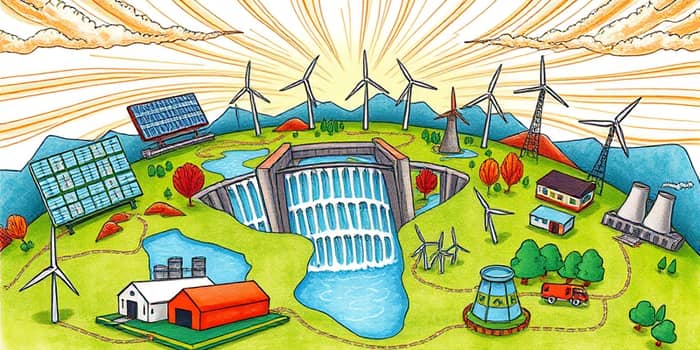
By integrating renewables—solar, wind, hydro, geothermal, biomass—with gas, coal, oil, and nuclear, planners can mitigate the impact of sudden shocks while preserving flexibility in their supply chains. Financial instruments such as swaps, futures, options, and ESG-linked debt further enhance risk management, aligning cost-efficiency with sustainability targets.
Global energy landscapes are shifting rapidly. Renewables are setting records, while traditional sources adapt to new roles:
Renewable output is forecast to rise from 9,871 TWh in 2024 to over 10,800 TWh in 2025, driven by solar PV and wind expanding their share to around 20% by 2026. At the same time, coal generation edges lower while natural gas maintains a vital role, especially for balancing variable renewables and supporting AI-powered data centers.
Clean energy investment is skyrocketing: in 2025, global energy finance is projected at $3.3 trillion, with two-thirds channeled into clean technology and renewables. China alone matches the combined clean spend of the US and EU, while India scales up solar and storage manufacturing to bolster domestic self-reliance.
Implementing a robust, diversified energy matrix involves several coordinated steps:
Organizations can further refine their approach by employing quarterly rebalancing of energy assets, guided by risk tolerance and yield spreads. Scenario analysis from bodies like the Network for Greening the Financial System (NGFS) helps quantify climate risks and align investments with net-zero ambitions.
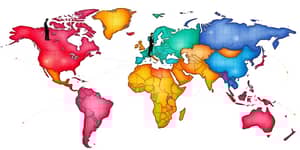
Several countries have emerged as leaders in energy diversification:
The transition is not without hurdles. Renewables expand rapidly, yet fossil fuels retreat more slowly due to ongoing demand for dispatchable power. Grid constraints, supply chain bottlenecks, and regulatory inertia can impede progress. Meanwhile, rising electricity demand—especially in non-OECD regions—tests the pace of clean build-out.
Geopolitical events often accelerate diversification efforts. Post-war energy security measures in Europe, LNG trade realignments, and national mandates for self-reliance highlight how diversification doubles as a strategic imperative.
Looking ahead, the period to 2026 will be defined by growth, resilience, and competition. Stakeholders that embrace balanced energy portfolios for stability will be best positioned to navigate price swings, fulfill climate goals, and secure long-term independence.
Through a compelling blend of practical strategies, financial innovation, and international collaboration, the global pursuit of energy independence offers a blueprint for a sustainable and secure power future.
References