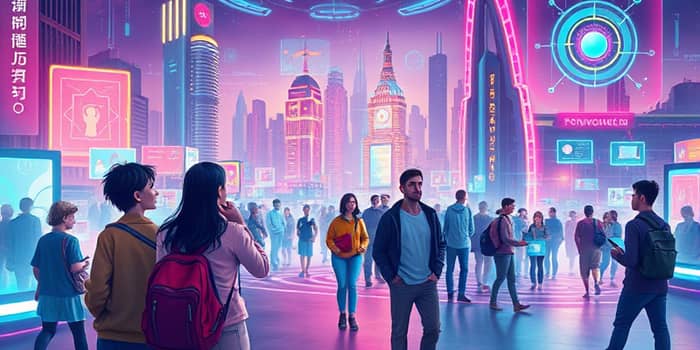
In an era where digital and physical boundaries blur, the metaverse stands as the next evolution of our online lives. Valued at billions today, this vast virtual landscape promises to reshape how we interact, work, and create value. Entrepreneurs, investors, and creators stand on the cusp of a revolution that could rival the dawn of the internet.
From immersive gaming realms to virtual real estate marketplaces, the metaverse offers unprecedented digital economic transformation for participants worldwide. Yet to harness this potential, we must understand the market’s scale, regional dynamics, and key drivers shaping its trajectory.
Analysts offer diverse forecasts for the metaverse market, reflecting varying definitions and methodologies. Conservative estimates value the sector at over USD 1.2 trillion by 2025, while more bullish predictions envision multi-trillion-dollar markets by the mid-2030s. Such disparity highlights both the opportunity and complexity of this emerging economy.
These numbers underscore a market projected to reach USD 10.8 trillion in just over a decade. Such variations arise from different scopes—some forecasts encompass the full ecosystem, while others focus on specific segments like AR/VR hardware or blockchain platforms.
Diverse outlooks present both a challenge and opportunity for innovators. While a conservative forecast might caution against overinvestment, a bullish projection highlights the transformative potential awaiting early entrants. To navigate this landscape, stakeholders should adopt a balanced approach—testing small-scale pilots, monitoring key performance indicators, and adjusting resource allocation to achieve balanced risk and strategic investment.
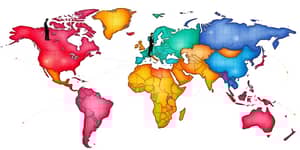
Geography plays a critical role in shaping the metaverse landscape. North America currently dominates, capturing over 42% of global market value and leading revenue share through deep-pocketed venture investment and robust developer communities.
Meanwhile, the Asia-Pacific region is set for rapid expansion, with South Korea and China spearheading growth in hardware adoption and virtual services. In particular, South Korea’s market is expected to exceed USD 51.4 billion by 2030, reflecting local consumers’ enthusiasm for connectivity and gaming.
To succeed across these diverse markets, companies should adapt platform features and marketing approaches to local cultures, regulations, and payment systems. Strategic partnerships with regional telcos, gaming studios, and academic institutions can accelerate adoption and foster trust among end users.
The metaverse economy thrives on multiple interlocking components—from software platforms powering experiences to the hardware devices rendering them in lifelike detail. In 2024, software and platform services comprised over 41% of metaverse revenues, driven by innovation in development tools and distribution channels.
Key segments include:
Interoperability and open standards serve as catalysts for growth. Platforms that embrace cross-chain asset transfers and open APIs will foster ecosystems where users seamlessly move avatars and digital goods. Developers should prioritize user experience and data privacy to build trust and long-term engagement.
A constellation of global companies drives the metaverse forward, each contributing unique strengths: Meta Platforms pioneers social virtual spaces with substantial R&D, NVIDIA powers real-time rendering and compute infrastructure, Tencent and ByteDance leverage social ecosystems in Asia-Pacific, Roblox and Unity Technologies democratize game creation, and Microsoft integrates enterprise collaboration into mixed-reality environments.
Beyond these giants, hundreds of startups and niche innovators explore specialized areas—from biometric-based avatars and virtual concert venues to immersive education platforms. Observers should monitor emerging ventures that address accessibility, sustainability, and ethical design, as these will shape the next wave of metaverse experiences.
The metaverse unlocks novel revenue streams and business models. Virtual real estate sales have skyrocketed, with digital land parcels fetching millions in cryptocurrency. Non-fungible tokens (NFTs) power a creator economy where artists, designers, and developers monetize unique digital assets.
Key drivers of this economic surge include:
For creators looking to join the NFT economy, platforms like OpenSea, The Sandbox, and Decentraland offer entry points for minting and selling digital art and wearables. Entrepreneurs can build virtual storefronts, host live events, or develop subscription-based communities. By focusing on unique user experiences and scalable business models, businesses can leverage these innovative and transformative monetization models to achieve sustainable growth.
The metaverse economy offers a compelling narrative of growth, innovation, and opportunity. With market projections spanning trillions of dollars and participation from leading global players, the virtual frontier is ripe for exploration.
Whether you are an investor seeking high-growth opportunities or a developer shaping immersive worlds, now is the time to build, collaborate, and pioneer. By aligning technological innovation with social responsibility and user-centric design, we can create digital realms that enrich lives and unlock economic value across the globe.
Together, let us step boldly into the metaverse era, crafting experiences that connect, empower, and inspire generations to come.
References