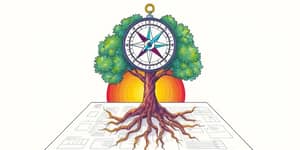
In a world obsessed with instant results, the ability to think beyond the present is not just a skill—it's a superpower.
A strategic mindset empowers individuals and leaders to navigate complexity, seize opportunities, and shape a future that aligns with their deepest aspirations.
This article delves into what it means to cultivate such a mindset, offering practical insights to help you transcend daily tasks and embrace a visionary approach to life and work.
At its core, a strategic mindset is the ability to see beyond immediate tasks and understand how today’s choices shape tomorrow’s reality.
It involves continuously aligning decisions with a long-term direction, rather than getting bogged down by short-term pressures.
This perspective is crucial for thriving in dynamic environments where change is the only constant.
Developing this mindset requires a shift from reactive to proactive thinking.
It means asking not just 'what needs to be done today,' but 'where do we want to be in five years?'
By fostering this forward-looking approach, you can unlock new levels of innovation and resilience in both personal and professional spheres.
A strategic mindset is defined as a continuous, dynamic mental activity that envisions the future, identifies opportunities, and fosters innovation.
It centers on identifying and cultivating distinctive opportunities that generate value over time.
This goes beyond mere day-to-day tasks to focus on long-term goals and adaptation to evolving circumstances.
In leadership contexts, it translates to the capability to analyze the current landscape, anticipate future challenges and opportunities, and formulate innovative strategies for sustained success.
It's about playing the long game, where every decision is made with an eye on the horizon.
Often confused, strategic thinking and strategic planning are complementary but distinct.
Strategic thinking is future-oriented, conceptual, and creative.
It explores possibilities, challenges assumptions, and scans for trends in a holistic, big-picture manner.
On the other hand, strategic planning is the systematic process that translates strategic thinking into actionable plans.
It sets specific goals, measurable objectives, timelines, and allocates resources in a structured way.
Think of strategic mindset as the thinking, and planning as the roadmap that follows.
Strategic thinkers possess a unique set of characteristics that enable them to excel.
Here are some of the most critical traits:
In leadership, a strategic mindset is essential for driving sustainable growth.
Strategic leaders exhibit attributes such as visionary leadership, long-term planning, and meticulous risk management.
They advocate for innovation and ensure decisions align with core values and mission.
Organizations that foster strategic thinking benefit from better resource allocation, enhanced risk mitigation, and support for digital transformation.
By thinking beyond the present, leaders can build resilience and navigate uncertainty with confidence.
The process of strategic thinking can be broken down into key elements that guide effective decision-making.
Here are the core components:
A typical strategic thinking process involves three phases: assessing where you are now, defining where you want to be, and planning how to get there.
This structured approach ensures that thinking translates into tangible outcomes.
Cultivating a strategic mindset is not innate; it can be developed through deliberate practices.
Here are four key habits of strategic leaders:
For individuals looking to enhance their strategic thinking, here are actionable strategies:
To gauge your progress, consider these behavioral signs: if you routinely consider future implications, take calculated risks, create proactive solutions, and challenge the status quo, you're on the right path.
Thinking beyond the present is more than a mindset; it's a commitment to shaping a better future.
By cultivating strategic foresight, embracing adaptability, and fostering collaboration, you can transform challenges into opportunities.
Remember, the journey to a strategic mindset begins with a single step—asking the right questions and daring to look beyond the horizon.
As you integrate these practices into your daily life, you'll find that strategic thinking becomes second nature.
It empowers you to lead with confidence, innovate with purpose, and achieve lasting impact.
So, start today: pause, reflect, and envision the future you want to create.
References