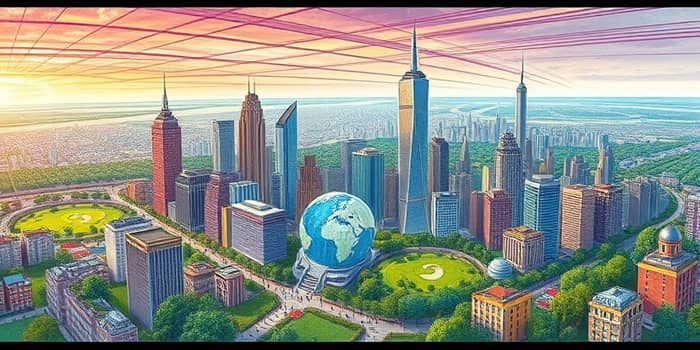
Urbanization is one of the most profound forces shaping the twenty-first century. In 2023, the world reached 57.5% urbanization, a figure projected to climb beyond 68% by 2050. This shift affects nearly five billion people, concentrated in coastal corridors, megacities, and emerging urban hubs. As populations migrate, cities transform. The challenge and promise lie in harnessing this growth to fuel prosperity, preserve ecosystems, and deliver equitable opportunities for all residents.
Understanding the drivers behind these shifts—ranging from rural livelihood pressures to economic ambitions—allows policymakers and communities to craft strategies that balance expansion with sustainability. This article explores global trends, regional case studies, environmental challenges, and the practical opportunities emerging from rapid urban growth.
Worldwide urban populations expanded from 751 million in 1950 to 7.87 billion in 2021, crossing the halfway mark in 2018. With an annual growth rate of 1.75% from 2020 to 2025, urban dwellers will exceed 60% of humanity by 2030. This relentless trajectory is driven by demographic momentum, economic pull factors, and infrastructure investments that give cities a magnetic appeal.
Urban land area is projected to expand at twice the rate of population growth, converting an estimated 6 million square kilometers by 2030. Of this, roughly 1.2 million square kilometers holds a high probability of urban development, threatening adjacent natural habitats while offering new spaces for housing, industry, and commerce.
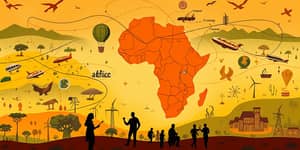
While global projections reveal broad strokes, regional analyses showcase unique challenges and opportunities. In Asia, megacity corridors stretching from Hangzhou to Shenyang and clusters around Indian state capitals drive half of global urban growth. In Africa, cities along the Nile, Gulf of Guinea coast, and Lake Victoria region will see land areas expand by nearly 600% by 2030.
Urban expansion places pressure on biodiversity hotspots and carbon reservoirs. By 2030, tropical deforestation driven by city growth could release 1.38 billion tons of carbon. Soil carbon beneath impervious surfaces may decline by two-thirds, jeopardizing long-term ecosystem services. Regions like the Guinean Forests in West Africa face up to 920% urban footprint growth, while Eastern Afromontane landscapes may surge by 1,900%, threatening endemic species.
Infrastructure must keep pace with swelling populations. Housing shortages, strained water and energy systems, and traffic congestion risk undermining quality of life. Without thoughtful design, these trends can exacerbate inequality, leaving marginalized communities disconnected from economic and social gains.
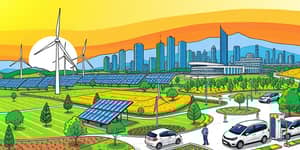
Amidst these challenges lie powerful opportunities. Concentrated populations enable more efficient public transport, district heating, and shared services. Investments in sustainable urban development reduce per-capita carbon emissions and create vibrant public spaces that foster community cohesion and economic dynamism.
Policy frameworks that prioritize infill development over outward sprawl can preserve agricultural and natural lands. Targeting undisturbed regions for controlled expansion helps strike a balance between human needs and conservation goals.
Transformational urban policies emphasize inclusivity and resilience. Key strategies include:
These measures not only mitigate environmental risks but also unlock the potential for economic growth engines within cities. Emerging tech corridors, creative districts, and green clusters become magnets for talent and investment.
By 2050, nearly 70% of humanity will call cities home. This wave of urbanization presents unprecedented opportunities: harnessing human creativity at scale, driving innovation, and lifting millions out of poverty. Yet it also carries significant ecological and social responsibilities.
Stakeholders—from local governments to global institutions—must collaborate to build cities that are inclusive, resilient, and respectful of natural limits. Pursuing balanced urban expansion through density, green infrastructure, and smart policy can transform challenges into a new era of sustainable prosperity.
In this pivotal moment, our collective choices will define the character of urban life for generations. Embracing data-driven insights, visionary leadership, and community engagement, we can ensure that the cities of tomorrow become engines of hope, opportunity, and well-being for all.
References